The way the world buys groceries has permanently changed.
In 2026, grocery delivery apps are no longer a “nice-to-have” convenience feature. They are now core digital infrastructure—as essential as payment apps or messaging platforms. From 10-minute deliveries redefining urban life in India, to AI-powered predictive shopping in the United States, premium scheduled slots in the UK, and multilingual, luxury-grade grocery experiences in the UAE, grocery apps have become a daily digital habit for hundreds of millions of users.
But behind the scenes, something even more important is happening.
Businesses are moving away from third-party marketplaces and choosing to build their own grocery delivery apps.
Why?
Because owning the app means owning :
- The customer relationship
- The data
- The brand experience
- The pricing and margins
- And ultimately, the future of the business
This in-depth guide explores the Top 10 Grocery Delivery Mobile Apps in 2026, breaks down what actually makes them successful, uncovers the strategies driving their growth, and shows how businesses can build grocery apps like these global leaders with Ventagenie.
The Global Grocery App Shift: From Convenience to Control
A few years ago, grocery apps were about convenience.
Today, they are about control and intelligence.
- Did you know?
Industry research shows that over 72% of online grocery shoppers globally prefer ordering through brand-owned apps rather than third-party marketplaces when given a choice.
The reasons are clear :
- Better prices and exclusive offers
- Trust in the brand
- Loyalty rewards
- Faster support
- Personalized experiences
- No confusing seller competition
In markets like India, apps such as Blinkit and Zepto have changed consumer psychology entirely—people now plan their lives around instant grocery availability. In the UK, shoppers expect reliable time slots and substitutions. In the UAE, multilingual UX and premium service are non-negotiable. In the USA, AI-driven convenience wins.
So the real question in 2026 is no longer:
“Should I enter grocery delivery?”
It is:
“Should I own my grocery delivery platform?”
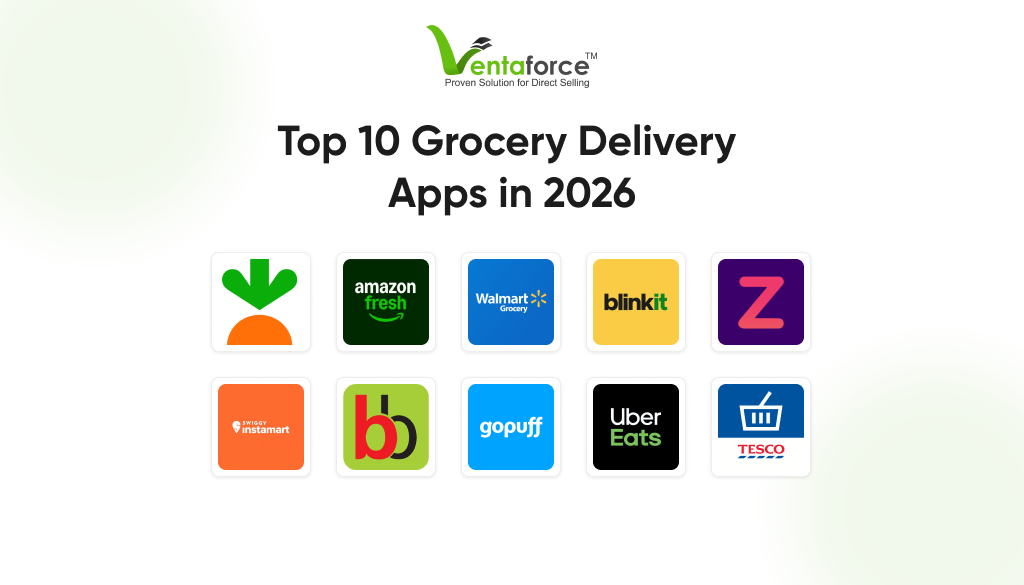
Top 10 Grocery Delivery Apps in 2026
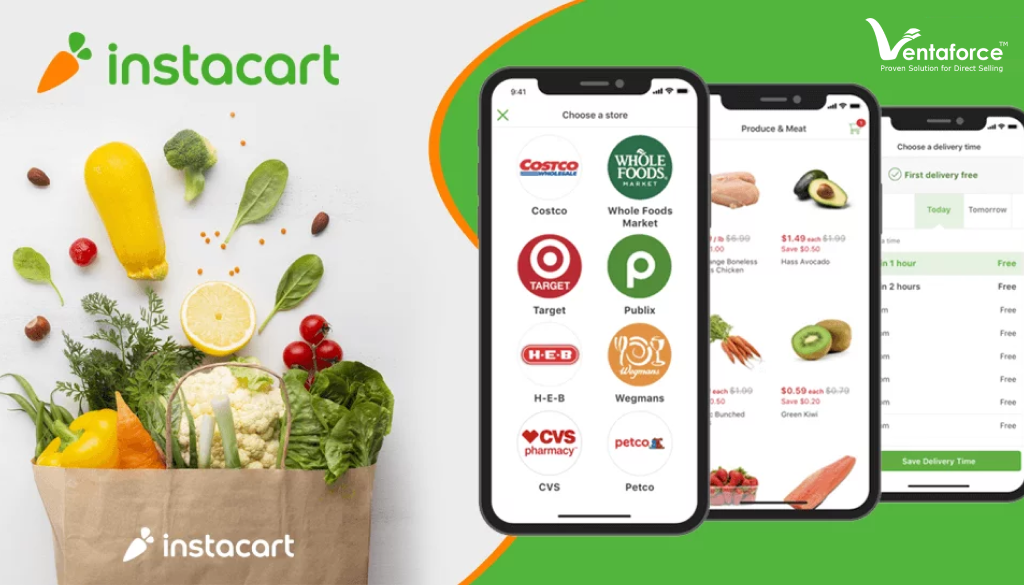
Instacart (USA): The Marketplace Model That Scales Without Inventory
Instacart has become a global benchmark for marketplace-based grocery delivery apps. Unlike traditional grocers or dark-store models, Instacart does not own inventory. Instead, it connects consumers with multiple grocery retailers through a single, highly optimized interface, making it an ideal example for anyone looking to build a grocery app like Instacart.
What Makes Instacart So Powerful ?
Instacart’s success lies in combining operational efficiency with customer convenience. Its core grocery delivery app features are designed to maximize speed, flexibility, and personalization :
- Multi-store browsing with real-time inventory sync : Users can shop from several retailers at once, and the app ensures products displayed are actually available.
- AI-driven product recommendations : Personalized suggestions based on purchase history and preferences improve repeat orders.
- Digital coupons and personalized offers : Incentivizes customers while increasing average order value.
- In-app chat with personal shoppers : Enhances user experience, resolving queries in real-time.
- Flexible delivery options : Same-day, scheduled, and express delivery cater to all types of buyers.
- Subscription model (Instacart+) : Encourages loyalty with perks like free delivery and exclusive discounts.
These features highlight what makes Instacart a go-to case study for anyone in on-demand grocery app development.
Strategic Question for Your Business
Ask yourself:
Would a multi-vendor marketplace model work better in your target city or country?
For regions with fragmented retail ecosystems—whether in Tier-1 and Tier-2 cities of India, Southeast Asia, Africa, or Latin America—a marketplace approach enables:
- Faster market penetration with minimal inventory risk
- Diverse product offerings without managing warehouses
- High customer choice and satisfaction
 Ventagenie builds scalable marketplace grocery app solutions with advanced vendor management, real-time inventory syncing, and AI-powered personalization. Ventagenie specializes in marketplace grocery app solutions
- Did you know?
Marketplace-based grocery apps often achieve 30–40% faster regional expansion compared to inventory-owned models due to lower infrastructure dependency.
Amazon Fresh (USA, UK): When AI Knows Your Kitchen Better Than You Do
Amazon Fresh is a pioneering example of AI-driven grocery delivery. Unlike traditional apps where users actively browse and compare, Amazon Fresh uses predictive intelligence to anticipate needs, making grocery shopping nearly effortless.
Features Users Love
Amazon Fresh focuses on speed, convenience, and personalization, delivering features that redefine customer expectations:
- Prime membership benefits : Discounts, free delivery, and exclusive deals incentivize loyalty.
- Predictive reordering : The app analyzes purchase history to automatically suggest replenishment of staples.
- Alexa voice-based grocery ordering : Hands-free shopping makes the app convenient for busy households.
- Smart substitutions : When items are out of stock, alternatives are suggested seamlessly.
- One-click checkout : Minimal steps reduce friction and speed up repeat purchases.
- Contactless, time-slot deliveries : Enhances convenience while maintaining reliability and safety.
These features demonstrate how grocery delivery app features can combine AI and usability to drive customer satisfaction.
Why Amazon Fresh Works
Amazon Fresh removes friction at every stage of the grocery journey :
- The app knows what users typically buy, reducing decision fatigue.
- Predictive algorithms anticipate when staples will run out.
- Smart nudges remind users to reorder at the right time.
- Streamlined checkout takes seconds, making grocery shopping almost automatic.
In short, Amazon Fresh doesn’t make users shop—they approve AI-made decisions, transforming grocery shopping into a convenient, time-saving habit.
Imagine This for Your App
What if your grocery delivery app development strategy included AI-driven reminders that help customers:
- Reorder milk, eggs, or bread before it runs out
- Suggest alternatives when an item is unavailable
- Automatically apply discounts or offers at checkout
- Streamlined checkout takes seconds, making grocery shopping almost automatic.
This approach builds trust, convenience, and habitual use, giving you an edge over competitors.
Strategic Question for You
Can your grocery app predict user needs rather than just display products?
Apps that anticipate demand—like Amazon Fresh—create stickier customer engagement and higher lifetime value.
For businesses aiming to build a grocery app like Amazon Fresh With Ventagenie, your on-demand grocery app development becomes more than software—it’s a growth engine built on speed, accuracy, and intelligence.
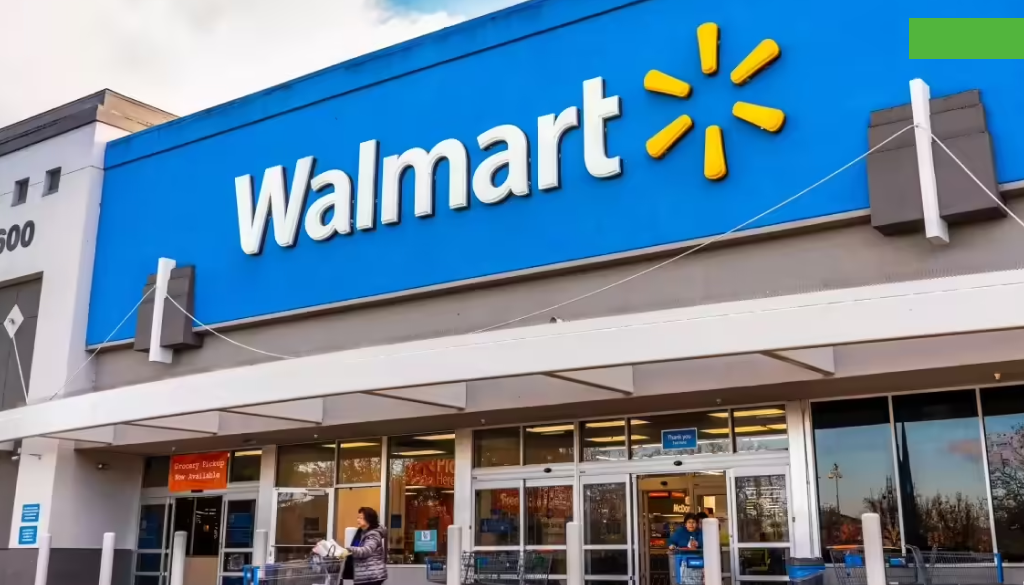
Walmart Grocery (USA, UK): The Perfect Omni channel Experience
Walmart Grocery demonstrates that physical stores and digital apps are allies, not competitors. By combining the strength of its massive retail footprint with a seamless mobile experience, Walmart has created one of the most efficient and scalable grocery delivery solutions in the world.
Core Features
Walmart Grocery focuses on convenience, choice, and efficiency, offering features that balance in-store and online strengths :
- Online ordering at in-store prices : Customers get consistent pricing without sacrificing value.
- Curbside pickup and home delivery : Multiple fulfillment options cater to diverse shopping preferences.
- Store-level inventory visibility : Users see exactly what’s available at their nearest store, reducing stockouts.
- Scheduled delivery slots : Predictable delivery times enhance planning and customer satisfaction.
- Bulk ordering for families : Supports large households and regular shoppers.
- Walmart+ subscription benefits : Loyalty incentives include free delivery, fuel discounts, and exclusive offers.
These features demonstrate how grocery delivery app features can be designed to integrate physical and digital grocery experiences effectively.
Why Walmart Wins
Walmart leverages its physical stores as local fulfillment hubs, which creates operational efficiency and customer satisfaction :
- Reduced delivery time : Proximity to stores enables faster fulfillment.
- Lower logistics costs : Minimizes dependency on large warehouses or long-distance shipping.
- Fewer failed deliveries : Local inventory visibility reduces the risk of unavailable items.
This omnichannel strategy works particularly well in suburban areas and family-driven markets, where customers value both convenience and bulk purchasing options.
Question for Retailers
Do you already have physical stores that could serve as fulfillment hubs for your grocery delivery app?
Using existing locations as inventory and distribution points can significantly reduce operational costs while improving delivery speed—a strategy that is often overlooked by new entrants.
With Ventagenie, your on-demand grocery app development can leverage physical store assets, offering a seamless experience similar to Walmart Grocery while building trust, loyalty, and operational efficiency.
Blinkit (India): The App That Made 10-Minute Delivery Normal
Blinkit didn’t just build another grocery delivery app—it retrained consumer expectations in some of the world’s most densely populated cities. What was once considered a luxury became a habit? In Indian metros, waiting 45 minutes for groceries now feels slow.
Deep Feature Breakdown
Blinkit’s success is driven by ruthless focus on velocity and operational discipline:
- Dark store–based inventory: Products are stored in strategically placed micro-warehouses instead of traditional retail outlets.
- Ultra-fast picking and packing: Optimized store layouts allow staff to pick orders in minutes.
- Real-time rider tracking: Customers can track delivery partners live, reducing anxiety and increasing trust.
- Limited but high-velocity SKUs: Blinkit prioritizes fast-moving essentials over endless choice.
- Geo-based pricing and availability: Product selection and pricing adapt to local demand and supply.
- High-frequency push notifications: Timely nudges encourage impulse and repeat purchases.
These grocery delivery app features are engineered for one goal: getting essentials to the customer as fast as possible.
Strategic Insight
Blinkit proves one powerful truth about urban grocery delivery:
In dense cities, speed beats variety.
Indian consumers don’t need 50 brands of dal or snacks.
They need one reliable option delivered instantly, especially during last-minute needs.
By removing excess choice and focusing on execution, Blinkit turned urgency into a business advantage.
This same model is now influencing quick-commerce platforms globally—from Europe to Southeast Asia.
Whether you’re launching in a metro city or planning a phased rollout, Ventagenie supports on-demand grocery app development built for speed, accuracy, and urban scale.
Zepto (India) : Engineering Speed at Every Level
Zepto is not just a quick-commerce grocery app—it is an engineering-first company built around speed as a system. While many platforms promise fast delivery, Zepto operationalized it down to seconds, turning 10-minute grocery delivery into a repeatable, scalable model.
For businesses exploring grocery delivery app development or aiming to build a grocery app like Instacart or Zepto, Zepto demonstrates how technology, operations, and discipline must work together to win in ultra-fast commerce.
Deep Feature & System Breakdown
Zepto’s grocery delivery app features are optimized for extreme efficiency :
- Dark store micro-warehouses : Located within 1–2 km delivery radii to minimize travel time.
- Strict SKU curation : Only high-demand, fast-moving essentials are stocked.
- Milliseconds-fast app performance : Lightweight interfaces reduce load and decision time.
- Instant order routing : Orders are auto-assigned to the nearest dark store and rider.
- Real-time inventory locking : Prevents overselling and cancellations.
- AI-powered demand forecasting : Predicts which items need replenishment before they run out.
- Delivery-first UI : Checkout and address confirmation are frictionless and minimal.
Unlike traditional grocery apps, Zepto is designed for reaction, not exploration.
Why Zepto Wins in Urban Markets
Zepto thrives in high-density cities where :
- Consumers value time over choice
- Last-minute purchases are frequent
- Small basket sizes dominate
- Delivery reliability matters more than discounts
In such markets, Zepto proves that:
Predictability + speed beats variety + scale.
This is why Zepto achieves:
- Higher order frequency
- Strong daily active usage
- Habit-forming customer behavior
As an experienced on-demand grocery app development company, Ventagenie focuses on engineering reliability before scale, helping businesses compete in fast-moving urban markets.
Swiggy Instamart (India): One App for Every Daily Need
Swiggy Instamart represents a powerful evolution in on-demand grocery delivery—where groceries are no longer a standalone category but part of a broader daily convenience ecosystem. Instead of forcing users to install multiple apps, Instamart brings groceries, essentials, and impulse purchases into an app people already open several times a day.
Deep Feature Breakdown
Swiggy Instamart’s grocery delivery app features are designed for convenience, cross-selling, and repeat usage :
- Dark store-based fulfillment : Ensures fast and predictable delivery.
- Wide SKU coverage : Groceries, snacks, personal care, and household essentials.
- Unified cart experience : Order food and groceries in a single flow (market-dependent).
- Smart recommendations : Suggests items based on food orders and past grocery behavior.
- Real-time delivery tracking : Transparent rider movement builds trust.
- Subscription benefits (Swiggy One) : Free deliveries and priority access.
- Contextual push notifications : Timed around meals, weekends, and refill cycles.
This integration turns grocery shopping into an impulse-friendly, low-effort activity.
Strategic Insight for Founders
Many startups try to build grocery apps from zero.
Instamart shows the power of platform leverage.
If you already operate :
- A food delivery app
- A local delivery network
- A high-engagement consumer platform
Adding groceries may be easier—and cheaper—than building a new brand.
Question to Ask Yourself
Do your customers already use your platform daily for something else ?
If yes, grocery delivery can become a feature, not a separate app.
As an experienced on-demand grocery app development company, Ventagenie designs platforms that grow with user habits, not against them.
BigBasket (India): Built for Planned, Household Shopping
BigBasket represents the other side of grocery delivery—where shopping is planned, comprehensive, and household-driven, not urgent or impulsive. Long before quick commerce became mainstream, BigBasket established itself as a trusted platform for weekly and monthly grocery planning across Indian households.
Deep Feature Breakdown
BigBasket’s grocery delivery app features support large baskets and structured shopping :
- Wide product assortment : Groceries, fresh produce, personal care, home essentials, and gourmet items.
- Scheduled deliveries : Customers choose delivery windows that fit their routines.
- Bulk and combo packs : Optimized for families and long-term use.
- Subscription-based essentials : Automatic delivery for frequently used items.
- Private label products : Better margins and consistent quality.
- Regional language support : Expands reach across diverse user bases.
- Wallets and loyalty programs : Encourages repeat household orders.
These features make BigBasket ideal for large-basket, low-frequency shopping.
Strategic Insight for Grocery Founders
Not every grocery delivery app needs to promise 10-minute delivery.
If your audience :
- Plans purchases
- Buys in bulk
- Values choice over speed
Then a planned grocery delivery model like BigBasket’s may outperform quick commerce.
Question to Ask Yourself
Are your customers shopping for “now” or for “the week ahead”?
Your answer should shape :
- Inventory strategy
- Delivery scheduling
- App UX and basket design
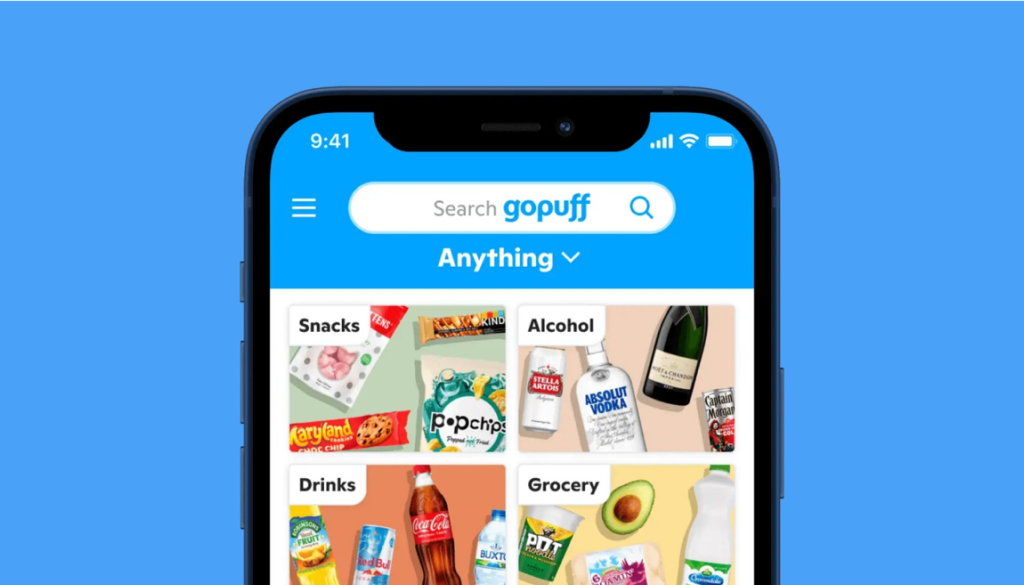
GoPuff (USA, UK) : Full Control Through Inventory Ownership
GoPuff owns its inventory and fulfillment centers.
Deep Feature Breakdown
Gopuff’s grocery delivery app features are built around predictability and speed :
- Company-owned dark stores for guaranteed stock
- Limited but optimized product catalog focused on essentials and high-demand items
- 30-minute or faster delivery windows
- Flat delivery pricing or membership plans
- Late-night and 24/7 availability in select cities
- Simple, clutter-free app interface
- High-margin private-label products
This makes Gopuff especially popular for impulse, emergency, and convenience-driven orders.
Strategic Trade-Off to Understand
Inventory ownership offers control—but it also requires :
- High upfront capital
- Sophisticated demand forecasting
- Strong warehousing operations
- Tight unit economics
This model works best when :
- Demand is predictable
- Order frequency is high
- SKU selection is tightly curated
Question for Grocery Founders
Do you want operational control—or faster expansion ?
If control, consistency, and margin ownership matter more than rapid geographic expansion, Gopuff’s model may fit your strategy.
As an experienced on-demand grocery app development company, Ventagenie helps founders decide when inventory ownership makes sense—and how to execute it sustainably.
Uber Eats Grocery (USA, UAE) : Logistics at Scale
Uber Eats Grocery is not a traditional grocery platform—it’s a logistics powerhouse repurposed for groceries. Instead of reinventing fulfillment, Uber leveraged what it already does best: moving things fast, reliably, and at massive scale.
Key Grocery Delivery App Features
Uber Eats Grocery adapts its food delivery stack for grocery use :
- Multi-store grocery listings within a single app
- Live inventory syncing with partner stores
- Dynamic ETA calculations based on traffic and rider availability
- Real-time order tracking
- Contactless delivery options
- Unified checkout with food + grocery orders
- Uber One membership benefits
This makes grocery ordering feel familiar to millions of existing Uber Eats users.
Strategic Insight for Founders
Uber Eats Grocery proves that:
Logistics can be your product advantage.
If delivery speed, reliability, and geographic reach matter more than owning inventory or UI differentiation, a logistics-led model may outperform traditional grocery apps.
Question to Ask Yourself
Do you want to be a grocery brand—or a delivery infrastructure?
Your answer will shape :
- Platform architecture
- Partner strategy
- Feature priorities
As a seasoned on-demand grocery app development company, Ventagenie supports founders who want to win through execution, not just features.
Tesco Groceries (UK) : Trust Built Over Decades, Perfected Digitally
Tesco Groceries proves that longevity and innovation are not opposites. With decades of customer trust built through physical stores, Tesco successfully transformed itself into one of the most reliable digital grocery delivery platforms in the world.
Key Grocery Delivery App Features
Tesco Groceries focuses on reliability and personalization rather than speed hype
- Real-time store-level inventory visibility
- Flexible delivery slots and next-day delivery
- Click-and-collect options
- Personalized recommendations based on Clubcard data
- Digital coupons and loyalty rewards
- Substitution approval controls
- Clear pricing with minimal surprises
These grocery delivery app features are optimized for families and planned shopping.
Strategic Insight for Grocery Founders
Tesco proves that:
Trust compounds over time—and technology should amplify it, not replace it.
If you already have physical stores, customer loyalty, or regional recognition, your app should strengthen those assets—not disrupt them.
Question for Retailers
What trust does your brand already own—and how can your app extend it digitally?
The answer should shape your :
- UX decisions
- Communication style
- Delivery promises
As an experienced on-demand grocery app development company, Ventagenie enables grocery businesses to digitize decades of trust into modern, scalable apps.
Why Businesses in 2026 Are Choosing to Build Their Own Grocery App
Still wondering if building your own app is worth it?
Ask yourself :
- Do you want to pay commissions forever?
- Do you want direct access to customer data?
- Do you want your brand to be remembered, not the marketplace?
Key Advantages
- Full control over branding and experience
- Higher profit margins
- Customer loyalty through subscriptions
- Personalized promotions
- Data-driven decision making
- Easier regional expansion
Essential Features Every Successful Grocery App Must Have
- User-friendly mobile apps (iOS & Android)
- Smart search and filters
- Real-time inventory management
- Multiple payment options
- Live order tracking
- Delivery partner app
- Vendor/store management dashboard
- Admin analytics and reporting
- AI recommendations and reordering
- Multi-language & multi-currency support
How Ventagenie Helps You Create a Grocery App That Competes Globally
Ventagenie is a global grocery app development company delivering custom grocery app development solutions for startups, retailers, and enterprises.
Why Ventagenie ?
- End-to-end grocery app development
- Quick commerce & scheduled delivery expertise
- Marketplace and single-store models
- AI-powered personalization
- Scalable cloud infrastructure
- Localization for UAE, UK, USA, and India
Whether you want to build a grocery app like Instacart, create a grocery app like Blinkit, or design a completely unique experience—Ventagenie transforms your vision into a production-ready platform.
Final Thought: Are You Ready to Own Your Grocery Business Digitally ?
The most successful grocery brands in 2026 are not just selling groceries.
They are building ecosystems, owning data, and creating daily habits.
If this blog sparked an idea—that’s your signal.
Now is the time to build your own grocery delivery app and shape the future of digital grocery shopping.
Ventagenie is ready when you are.
Have a Grocery App Idea? Let’s Validate It.
Whether you’re planning a Quick delivery model like Zepto or a subscription-based platform like BigBasket, Ventagenie helps you go from idea to launch—fast.
Frequently Asked Questions
There is no single “best” grocery delivery app—the best app depends on the market and business model.
- Instacart leads in marketplace grocery delivery
- Amazon Fresh excels in AI-driven personalized shopping
- Blinkit and Zepto dominate instant grocery delivery in India
- Tesco Groceries wins on trust and scheduled deliveries in the UK
The real success factor is choosing the right model for your region and audience, not copying one app blindly.
In 2026, most serious grocery brands prefer building their own app.
Own app advantages include:
- Zero or low commission costs
- Full control over branding and UX
- Direct access to customer data
- Higher customer retention through loyalty and subscriptions
Third-party platforms can help with early exposure, but long-term growth comes from platform ownership.
The cost of grocery app development depends on:
- Business model (instant, scheduled, marketplace)
- Number of user apps (customer, delivery, vendor)
- AI features and analytics
- Region-specific compliance and localization
Ventagenie offers custom pricing based on your market, features, and scalability goals.
Development timelines vary by complexity:
- MVP grocery app: 8–12 weeks
- Full-scale grocery delivery platform: 4–6 months
Ventagenie follows an agile development approach, allowing you to launch faster and iterate based on real user feedback—crucial in fast-moving markets like India and the UAE.
Yes—but success depends on more than just the app.
To build a quick commerce grocery app like Blinkit or Zepto, you need:
- Dark store or micro-warehouse strategy
- Hyperlocal inventory management
- Ultra-fast order processing
- Optimized delivery routing
- Lightweight, speed-focused UI
Ventagenie helps design both the technology and operational workflows needed for instant grocery delivery.
Every successful grocery app in 2026 includes:
- Real-time inventory tracking
- Smart search and filters
- Multiple payment options
- Live order tracking
- Delivery partner app
- Admin dashboard and analytics
- AI recommendations and reordering
- Multi-language and multi-currency support
The exact feature set should be customized based on your target market.
Yes—when done correctly.
Profitable grocery apps focus on:
- Repeat orders and subscriptions
- Private labels or exclusive SKUs
- Optimized delivery costs
- AI-based demand forecasting
- Owned platforms instead of high-commission marketplaces
Instant grocery models show higher order frequency, while planned grocery models deliver higher basket values.
Absolutely. In fact, Tier-2 and Tier-3 cities represent the fastest-growing opportunity.
Success factors include:
- Scheduled delivery instead of instant delivery
- Regional language support
- Cash-on-delivery options
- Local vendor onboarding
Ventagenie builds localized grocery apps tailored for Indian regional markets.
Ventagenie supports multiple grocery business models, including:
- Single-store grocery apps
- Multi-vendor marketplace platforms
- Quick commerce (10–30 minute delivery)
- Scheduled delivery and subscription models
- Omnichannel retail (online + offline)
You can start small and scale into multiple models over time