The Future of Modern Logistics Delivery App in 2026: Automation, AI & Predictive Delivery
A Practical Guide for U.S. Logistics Businesses Adopting Modern Logistics Delivery App Development Solutions
Why Logistics Software Is Changing So Fast
The logistics industry is no longer driven only by trucks, warehouses, and labor. In 2026, logistics is powered by software—systems that automate decisions, predict delivery outcomes, and connect drivers, dispatchers, customers, and partners in real time.
For logistics companies in the USA, rising fuel costs, labor shortages, same-day delivery expectations, and sustainability regulations are accelerating adoption of logistics delivery app development solutions, delivery management software, and AI logistics solutions. Businesses still relying on manual processes or outdated systems struggle to compete with companies using next-gen delivery management software.
This blog explains what is changing, why it matters, and how logistics software will work in 2026, using clear explanations for logistics operators, managers, and decision-makers.
What Is Modern logistics delivery software in 2026?
Logistics software in 2026 is an integrated ecosystem rather than a single application. Modern logistics delivery software includes:
- Delivery management software
- Driver apps for last-mile operations
- Real-time tracking and fleet management systems
- AI-powered route optimization
- Predictive analytics in supply chain planning
- Automated logistics systems USA
- Centralized analytics dashboards
Together, these components form the digital backbone of modern logistics technology.
- Did you know?
Last‑mile delivery now represents up to 53% of total shipping costs in modern logistics, up from 41% just a few years ago, driven by rising consumer expectations and delivery volumes.
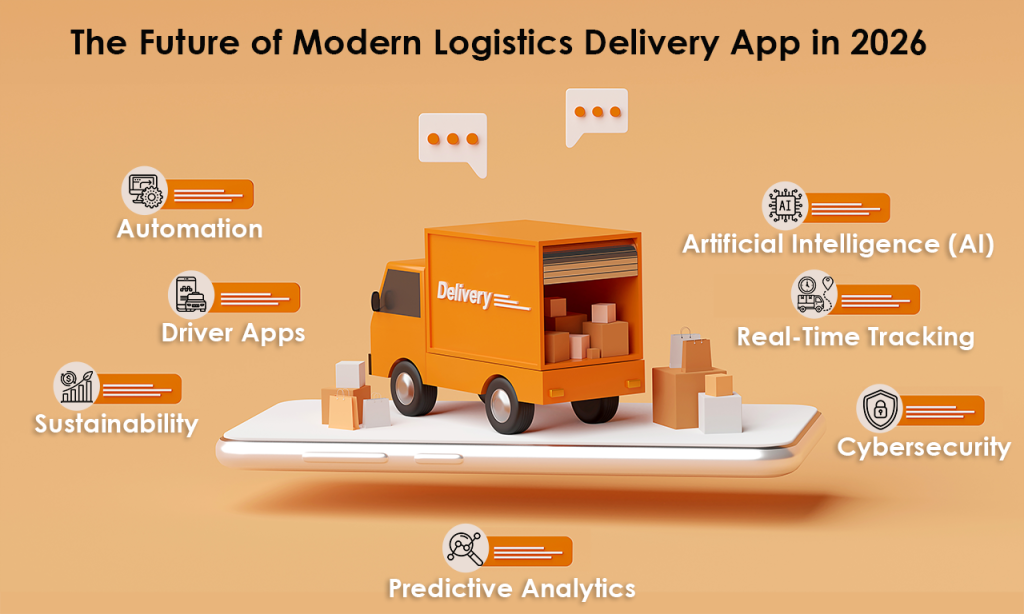
1. Automation: Reducing Manual Work Across Logistics Operations
What Is Automation in Logistics?
Logistics automation uses software and machines to reduce repetitive manual work. In 2026, logistics automation tools USA are widely used for:
- Dispatch scheduling
- Route optimization
- Proof of delivery processing
- Billing and invoicing
- Warehouse picking and sorting
Automation is a key driver behind the future of delivery software 2026.
Why Automation Matters in 2026?
Labor shortages and rising wages in the U.S. have made manual operations costly. Automated logistics systems USA help companies scale without increasing headcount while improving accuracy and delivery speed.
- Did you know?
Automated route planning can reduce fuel costs and delivery times by 10–25%, particularly in last-mile delivery software environments.
2. Artificial Intelligence (AI): The Brain of Modern Logistics Software
What Does AI Do in Logistics?
AI logistics solutions analyze large data sets to improve decisions across logistics operations. In AI-powered logistics delivery software, AI supports:
- Demand forecasting
- AI-powered route optimization
- Predictive delivery technology
- Predictive vehicle maintenance
- Automated exception handling
Predictive Delivery Explained
Predictive delivery enables logistics systems to anticipate outcomes before issues occur. AI predicts delays, congestion, and operational risks, allowing teams to intervene early.
- Did you know?
Predictive delivery technology can reduce failed deliveries by identifying high-risk routes hours in advance.
3. Driver Apps: The Center of Last-Mile Operations
What Is a Driver App?
A driver app is a mobile tool used by delivery drivers to manage tasks, routes, and communication. In 2026, driver apps are central to last-mile delivery software and fleet efficiency.
Key Driver App Features in 2026
- AI-based navigation and routing
- Real-time delivery updates
- Digital proof of delivery
- In-app dispatcher communication
- Offline support
- Driver performance analytics
Why Driver Apps Matter?
Driver apps reduce paperwork, improve accuracy, and support higher delivery volumes per shift. They also integrate directly with fleet management and delivery management software.
- Did you know?
U.S. logistics companies using modern driver apps report higher driver retention and lower administrative overhead.
Why Every Logistics Business Needs a Custom Driver App – And Why It’s No Longer Optiona-
4. Real-Time Tracking and Fleet Management
What Is Real-Time Visibility?
Real-time visibility provides continuous insight into vehicle location, shipment status, and driver activity using:
- GPS and telematics
- Real-time delivery updates
- Cloud-based fleet management dashboards
This capability is now standard in logistics delivery app development solutions.
Benefits for Logistics Businesses
- Faster response to delays
- Fewer customer inquiries
- Improved coordination
- Higher customer trust
- Did you know?
U.S. logistics companies using modern driver apps report higher driver retention and lower administrative overhead.
Real-time tracking is now considered a baseline requirement by U.S. enterprise customers—not an optional feature.
Why Fleet Management App Software Is Transforming U.S. Logistics Business?
5. Predictive Analytics: Turning Data Into Decisions
What Is Predictive Analytics?
Predictive analytics in supply chain operations uses historical and live data to forecast future outcomes, including:
- Delivery volume trends
- Peak demand periods
- Fleet capacity needs
- Cost and labor forecasting
Why Predictive Analytics Is Critical?
Predictive analytics enables proactive planning instead of reactive problem-solving. This capability is central to USA logistics tech innovation 2026.
- Did you know?
Predictive analytics allows logistics companies to plan staffing and fleet needs weeks ahead, reducing overtime and emergency outsourcing.
6. Automation in Warehousing and Fulfillment
How Warehouses Are Changing?
Modern warehouses integrate automation with logistics delivery software through:
- Robotic picking systems
- Automated sorting conveyors
- Smart inventory management
These systems directly support faster and more accurate last-mile delivery operations.
- Did you know?
Automated fulfillment centers can process peak-season volumes far more efficiently than manual warehouses.
7. Sustainability and Green Logistics Technology
Why Sustainability Matters in 2026
Sustainability is now a strategic priority for U.S. logistics businesses. Logistics technology supports sustainability through:
- Route optimization to reduce fuel usage
- EV fleet integration
- Carbon tracking per delivery
- Paperless documentation
- Did you know?
Route optimization alone can reduce emissions without changing vehicles or driver behavior.
8. Cybersecurity: Protecting Logistics Software Systems
Why Cybersecurity Is Critical
Modern logistics delivery software handles sensitive operational and customer data. Cybersecurity is essential for business continuity.
- End-to-end encryption
- Multi-factor authentication
- Role-based access control
- Continuous system monitoring
- Did you know?
Cyberattacks on logistics systems can stop deliveries entirely—not just compromise data.
Why U.S. Logistics Businesses Must Act Now
Delaying adoption of logistics delivery app development solutions leads to:
- Higher delivery costs
- Poor customer experience
- Lower driver productivity
- Competitive disadvantage
Companies investing now gain efficiency, visibility, and resilience.
How Ventagenie Supports Modern Logistics Software Development
Ventagenie is a logistics app development company specializing in logistics delivery app development solutions for U.S. and global businesses. Our platforms combine:
- Delivery management software
- Driver apps
- AI logistics and predictive delivery tools
- Fleet management integration
- Secure, scalable architecture
Final Thought
In 2026, logistics success depends on how effectively technology is used. Automation, AI logistics, predictive delivery, and real-time visibility are becoming standard requirements. Businesses that invest in modern logistics delivery software today will be better prepared for future challenges.
Frequently Asked Questions :
Logistics delivery app development solutions are software platforms that manage deliveries, driver operations, tracking, routing, and analytics through mobile and web applications.
AI improves logistics delivery software through route optimization, demand forecasting, predictive delivery times, and automated exception handling.
Predictive delivery technology uses AI and real-time data to anticipate delivery delays, risks, and outcomes before issues occur.
Driver apps streamline routing, communication, proof of delivery, and performance tracking, making last-mile delivery faster and more efficient.
Key trends include AI logistics solutions, automated logistics systems USA, predictive analytics in supply chain management, and next-gen delivery management software.
Fleet management systems integrate with logistics delivery software to track vehicles, monitor performance, reduce fuel usage, and schedule maintenance.
Logistics automation tools reduce labor dependency, improve accuracy, lower costs, and help businesses scale efficiently.